
Care that connects across every visit
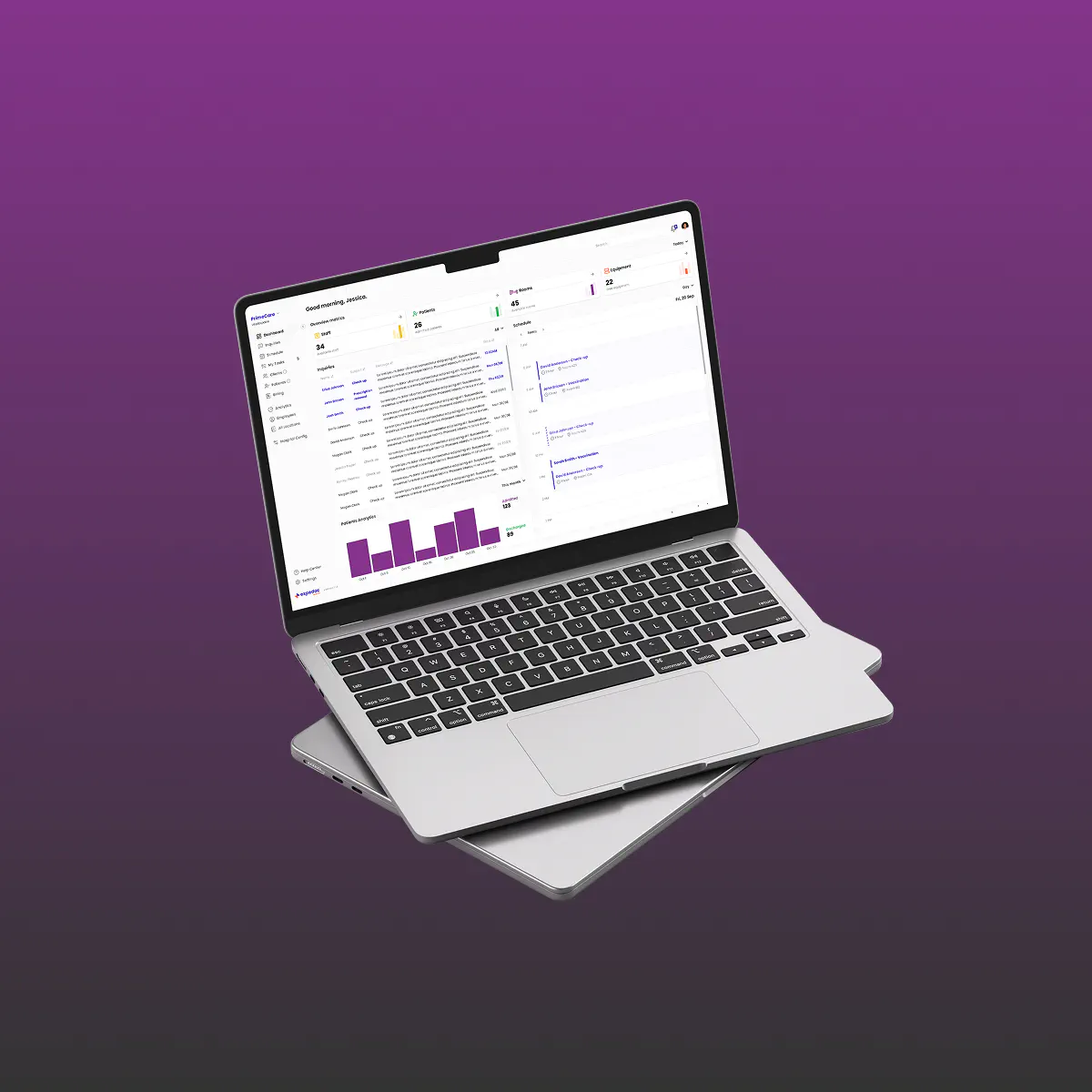
An agentic AI secretary that automates intake and streamlines clinical scheduling — reading patient requests, checking doctors, rooms and equipment, and proposing the right slot for a receptionist to confirm.
- Client
- NDA
- Industry
- AI · Healthcare operations
- Services
- Development
- Team
- 5 members
The challenge
Clinics with larger medical teams can receive hundreds of appointment requests a day — and serious inbox overload.
Multiple receptionists parse messages, check availability and propose slots. Without a centralized view, checking real-time availability across systems is tedious, and more people in the loop means more double-bookings, overlooked equipment needs and missed follow-ups.
of clinics find managing 100+ appointment requests a day a challenge, causing delays and scheduling conflicts.
on average for 80% of clinics to manually check availability across different systems.
error rate in appointment scheduling when multiple staff members are involved.
What we built
An agentic AI secretary that turns a patient's email or SMS into a ready-to-confirm appointment.
All data is accessed via APIs, so the AI always works with up-to-date information. The receptionist gets a proposal with metadata and calendar links to confirm or adjust — no manual lookups.
Multi-agent intake
A LangChain-orchestrated flow ingests requests and calls specialised agents for doctors, rooms, equipment and patient preferences.
Constraint-aware scheduling
LangGraph models the dependencies between doctors, rooms and equipment, so every proposed slot respects all constraints.
Transparent, human-confirmed
LangSmith logs decisions and confidence scores, showing receptionists why a time was chosen before they confirm.
The difference was clear from the outset
Fragmentation isn't only a patient problem. It happens behind the scenes, in the systems healthcare teams use every day.